Your Home, Your Responsibility
Read a basic homeowners’ maintenance checklist to prepare for colder weather.
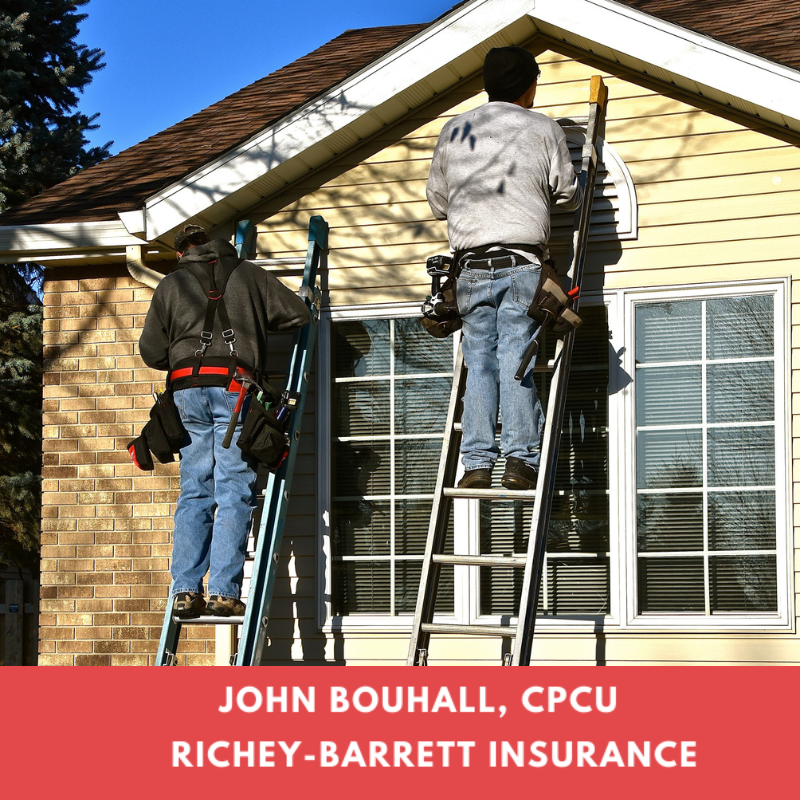
Learn how homeowners may prepare for or prevent disruptive loss to their homes.
Homeownership is an ongoing responsibility, as much as it is an ongoing expense. Mortgage payments, property taxes, home insurance, utility bills, routine maintenance and repairs, necessary replacements, optional upgrades. To some degree, home insurability and premium rating are impacted by attention to regular home maintenance, repairs, and necessary replacements. As cold weather months approach in Ohio, residents are known to experience power outage disruption, as well as an uptick in loss due to water damage. The following general “to do” checklist is a reminder for all homeowners.
The outside matters.
Roof.
- Check shingles for damage or deterioration and make appropriate repairs.
- Check to ensure flashing around chimneys and vents is intact.
- Clear any debris.
Gutters.
- Clean and inspect to ensure water is able to flow freely. If near trees, do final check after the leaves have all, or mostly, fallen.
Windows, Doors and Trim.
- Caulk and seal cracks/gaps.
- Install or replace weather stripping around doors.
Faucets and Sprinklers.
- Drain faucets fully and then secure spigot with insulated cover.
If there is a separate supply line to outdoor faucets, turn it off. - If you have a sprinkler system, it too needs to be winterized.
Consider hiring a qualified contractor for this task.
Outdoor Equipment.
- Hoses. Drain completely and store in garage.
- Power tools, including lawnmowers. Drain fuel, clean, and store in garage or indoors, as appropriate.
- Lawn furniture, planters, portable grills. Clean and store in garage.
Indoor safety and comfort provide peace of mind.
Smoke and Carbon Monoxide Detectors.
- Test, gently wipe clean, and replace batteries.
Pipes.
- Insulate exposed pipes in basements, crawlspaces, and garages.
Furnace.
- Obtain a professional HVAC inspection. Regularly check and clean or replace filters.
Thermostat.
- Test and set a daily temperature schedule. Your thermostat should never be below 60 degrees Fahrenheit, whether you are at home or gone for any length of time.
Chimneys and Fireplaces.
- Hire a professional to inspect and clean all types, i.e. wood-burning, gas, and electric. Regularly and safely dispose of fully cooled ash after using wood-burning fireplace.
Drafts.
- Place draft blockers at base of affected doors and windows. Consider heavy window curtains to retain heat.
Ceiling fans.
- In colder months, reverse the blade direction to spin clockwise to push warm air downward.
Emergency supplies.
- Restock flashlights, batteries, first-aid kit, bottled water, non-perishable food, manual can openers, back-up chargers, blankets, snow shovel, ice melt.
Basic prevention and preparation beat the aggravation associated with extensive loss to your home, whether or not the damage or disruption is covered by homeowners’ insurance. Contact the Trusted Choice Independent Insurance Agents at Richey-Barrett Insurance to discuss your homeowners’ insurance needs.


