
Warranty Clauses Are Sneaking Into Commercial Property Insurance
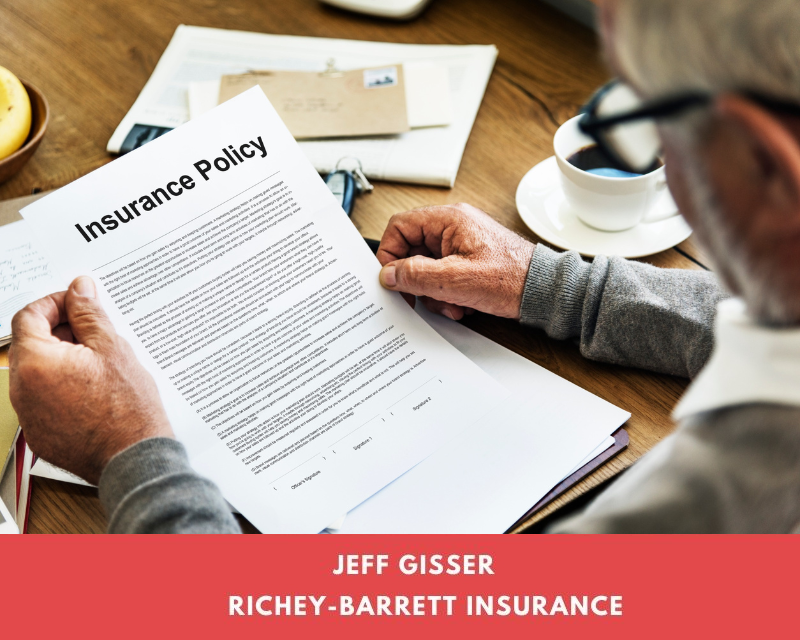
The Commercial Property Insurance landscape continues to shift, companies are leaving the marketplace, capacity is being reduced, minimum deductibles are being increased and premiums are going up. However, a not so obvious change is the adding of Warranty Clauses to the policy.
What is a warranty in an insurance policy?
They are statements made by the insured that if not true and accurate could render the policy void even if they were not material to the loss. Meanwhile the less drastic clause than the warranty is a representation. A representation is a statement made at the time of the application however if circumstances change during the policy term and the statement oral or in writing are no longer accurate the efforts by the Insurer to void the policy or deny the claim are more difficult.
Common examples of warranties found in property policies are:
- Ansul Systems or automatic fire suppression systems are installed in restaurants and inspected every 6 months.
- Fencing or onsite security is being maintained on new construction or on a builder’s risk policy
- If a credit is being given for a burglar alarm it must be active and in proper working order.
- If a credit for a sprinkler system is being applied to the policy it must be active and in proper working order.
- All subcontractors will provide certificates of insurance to the general contractor.
Again, warranty clauses do not have to relate to the loss that has occurred to deny payment and basically void the policy!! Here is a simple example I was discussing with another producer in the office. A restaurant has a warranty in their policy that they must have and maintain an automatic extinguishing system over all cooking areas to prevent the spread of fire and the system must be maintained in complete working order. The owner has not had the system inspected for several years. Somebody breaks into the restaurant damaging the building and stealing the cash that was left in the drawer. The insurer could deny the claim based on the warranty statement that is part of the policy, that requires the insured to maintain the automatic fire extinguishing system in proper working order! Clearly the two items fire suppression systems and theft are unrelated but the claim can be denied.
The commercial property market is challenging, wild fires, urban tornadoes, freezes in the deep south. These are loss exposures that were never contemplated when premiums were being calculated so insurers are looking at more ways to protect their assets and warranties are another option.
As a Trusted Choice Independent agent at Richey-Barrett, I implore you to check your policies for any warranties that may be in your policy and then to contact us to review your Insurance Program to ensure there are no other gaps in your Risk Management Program.


