
The Causes of Combine Fires and How to Prevent Them
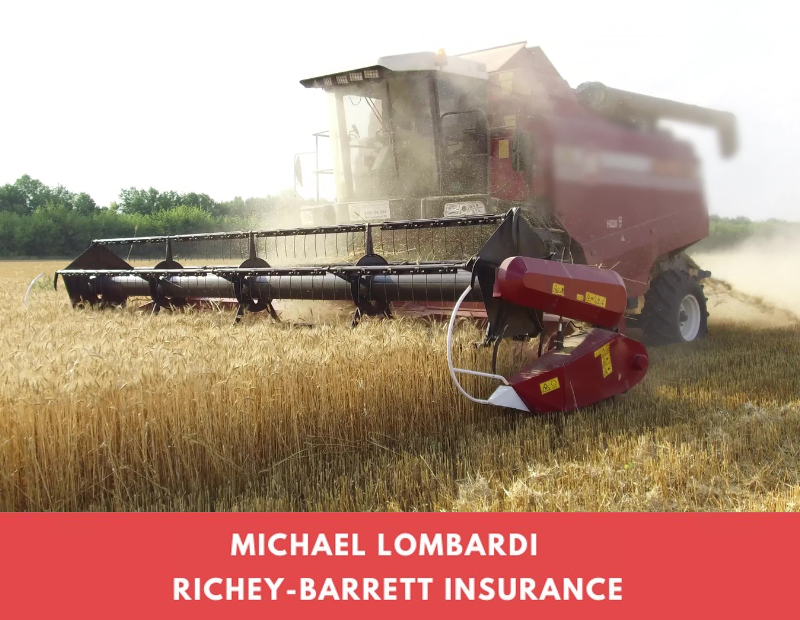
Combine fires are considered one of the most common and expensive agricultural fire-related losses by most farm insurance companies. If you’ve experienced a combine fire in the past, you know you’d rather be doing literally anything else besides dealing with it. As is often said, an ounce of prevention is worth a pound of cure, so let’s take a peek at the ways you can prevent a combine fire from taking place.
In order to prevent combine fires, we need to know the two typical causes of them in the first place.
- Buildup of combustible material (chaff, stalks, leaves, etc.) around the engine, exhaust, or other high temperature areas—77% of combine fires start this way
- Fuel or hydraulic fluid leaks igniting when they encounter high-temperature areas
How do you prevent combine fires from occurring?
- Keep your combine as clean as possible (goes without saying)
- Insulate hot surfaces
- Postpone harvest a few hours, or for the day, if you’re experiencing extreme weather (extremely dry, high heat combined with strong winds)
- Park your combine clear of incendiary liquids
- Turn engine off prior to refueling
You can do everything imaginable to prevent a combine fire, but the potential for combustion still exists. Maintain 2 – 10lb. fire extinguishers in the cab of the combine, as well as a cell phone to immediately call 911 should the need arise. Also, have an emergency escape plan in place with at least 2 pathways you can take to get to safety.
When the time comes to harvest, efficiency is key, as the crop is ready and you must complete your task in a timely manner. Losing your combine to a fire during harvest time can be a significant source of lost revenue and emotional stress.
What would happen if you lost your combine to a fire? How will it be replaced? How long will you be without? To put your mind at ease, call your Trusted Choice Richey-Barrett Farm insurance specialist today for a free consultation regarding your farm’s protection plan.


