Subrogation, Part of the Claims Process
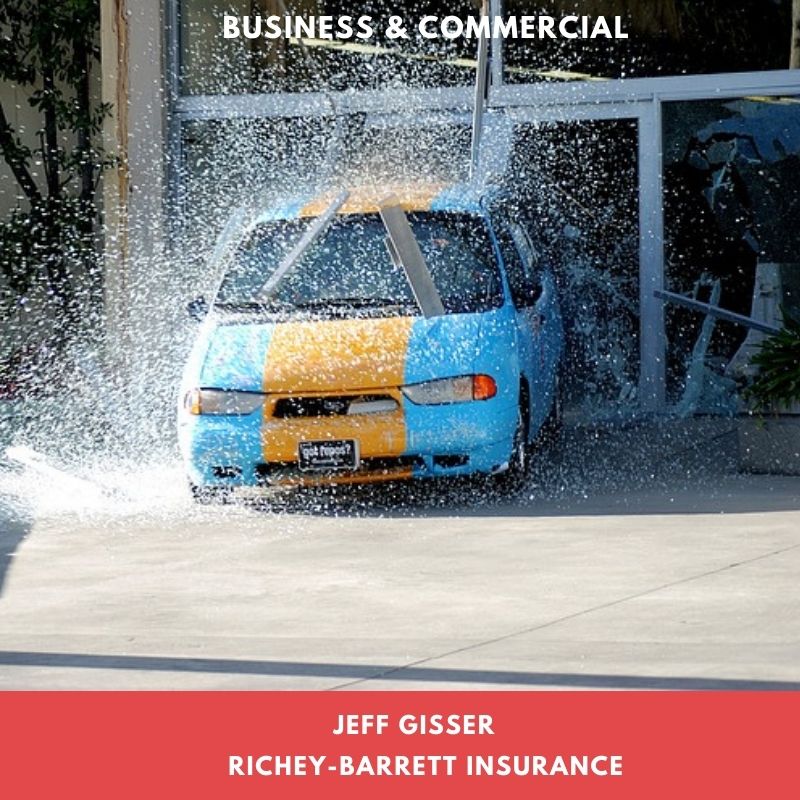
On the Saturday before Memorial Day last year within the span of 5 minutes, I received three phone calls from three different insureds that somebody had driven their car into a building damaging it and taking off (luckily nobody was injured). In this situation, Richey-Barrett insures the building owner and two tenants of the building. Read More.
Being a holiday weekend, I assessed the situation with the clients, and we were able to secure the building and the tenant’s possessions until an adjuster could be assigned to the loss. While this was going on, police reports were being filed and the local authorities were searching for the parties who drove off from the scene of the accident.
The building owner’s loss consisted of the entrance to the second-floor offices and several AC units for the first-floor tenants.
Tenant one’s loss consisted damage to the entrance to his store and some equipment specifically used in his industry.
Tenant two only suffered a broken window that needed to be boarded up.
The following week, the agency started to see firsthand how Covid-19 was affecting the supply chain. There were no replacement steel doors available, no air conditioning units available and the equipment specific to the one client could not be located either. Working with the great Independent Insurance Agency companies that Richey-Barrett represents, the clients were quickly paid their estimated loss. The clients continued to work on securing the needed equipment to get their businesses back to a pre-loss condition. Within 45 days all of the repairs were completed, and the claims were closed, of course the insureds were still out of pocket for their deductibles ranging from $1000.00 to 2500.00.
Meanwhile the local police were able to locate the person who hit the building. It turns out that the person does have automobile insurance and now the process of subrogation begins. Subrogation is a legal right of the insurance company to pursue a third-party responsible for the damages caused to the policyholder. So as an insured you are paid by the insurance company for your loss (minus your deductible) who then have the legal right to sue or try to collect from the responsible party money that has been previously paid.
However, the process for subrogation takes time and this can be a stain on a small business if their deductible is such that their operation’s cashflow is affected. In early December 2021, I made an inquiry to the insurance company for the building owner to discuss the status of the subrogation. I was advised that it should be completed by the end of the year. Six months after the loss! On January 3 2022, I received a call from tenant one to let me know that the building owner had his deductible reimbursed; however, he had still not received his deductible. As of the writing of this blog, tenant one has still not been reimbursed their deductible.
This example is very common as there can be many hurdles to recovery via subrogation. What if the party who struck the building only had enough property damage liability coverage to pay for part of the loss? Typically, in this situation, you would receive the proportion of the recovery for your deductible that the insurance company receives for the entire loss. Your insurance company has the right to not subrogate against the other party and close the claim with the insured being left with an out-of-pocket loss. As a Trusted Choice Independent Insurance agency, the team at Richey-Barrett will work with you and our partner companies to help you be reimbursed for your loss and communicate with you through the process. So before you renew your business insurance, call Richey-Barrett!


