
Real News for Ohio Homeowners …Winter is Pipe Burst Season
Discover five real and practical ways to safeguard your home from cold weather pipe bursts.
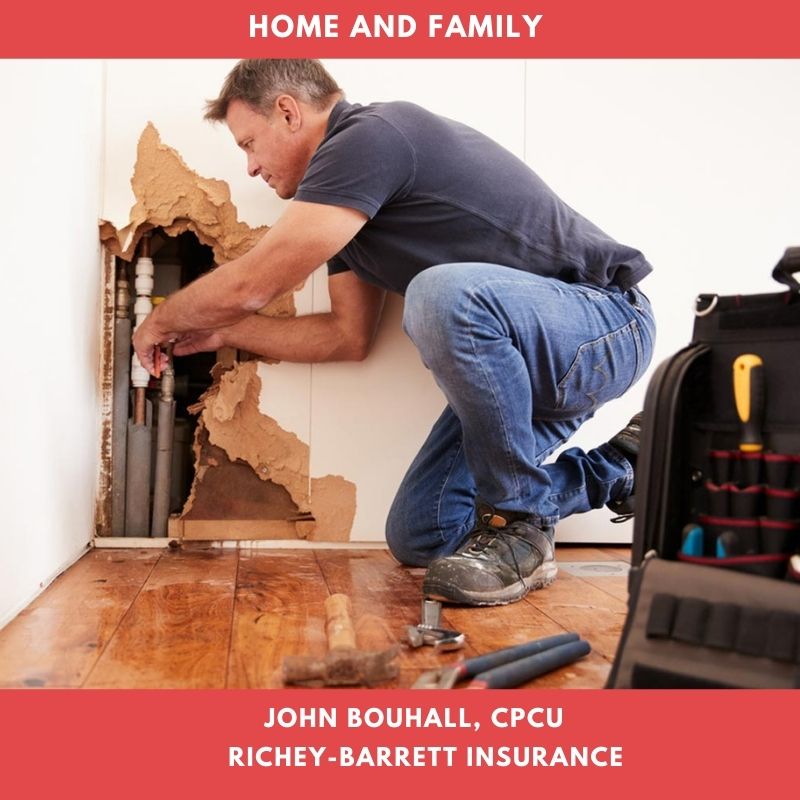 Read how Ohio homeowners can lessen the risk of pipes freezing and bursting.
Real cold. Real conditions. Real concern. If the outdoor temperature is below freezing, insulation is poor or non-existent, then pipe bursts are an increased risk for homeowners and property owners. While you cannot control cold weather, you can use real, simple measures to guard against extensive water damage due to pipe bursts associated with cold temperatures.
Short of draining the water system, which is a good idea for homeowners who plan to be away for several days, what can you do?
#1 Home maintenance. Things unseen tend to be overlooked. Your home’s pipes tend to be unseen, or at least not noticed unless you have a water problem. Water in a home where it doesn’t belong is a big problem. A pipe burst that is not immediately discovered causes massive water damage. Ohio is a cold winter state; that is real. In addition to sealing cracks, holes, and openings (including small ones) that allow cold air to enter your home, Ohio homeowners should consider pipe insulation. Pipe insulation is inexpensive. Contact your plumber or local hardware or home improvement store to determine what product is recommended and/or to install it. Pipes located in unheated areas, such as attics, crawl spaces, and garages, need particular attention.
#2 Maintain consistent heat in the home. A steady home temperature throughout the day and the night is a good way to prevent ice blockages in your home’s plumbing system. Even if your home is unoccupied, keep the furnace on and the thermostat set no lower than 55 degrees. In periods of extreme low temperatures, 55 degrees may not be adequate to prevent freezing pipes. Several winters ago we received a major water damage claim from a Shaker Heights homeowner due to a burst pipe in the basement of an older home. The homeowner was vacationing at the time, but had kept the heat on at 55 degrees in the Shaker Heights home. Even though a neighbor was checking on the house regularly, the pipe burst was not immediately discovered. The resultant water damage was extensive.
#3 Promote air circulation within the home. Open cabinet doors underneath sinks to allow warm air to circulate around the plumbing. If you have young children and/or pets in the home, be sure to remove anything toxic, such as cleaning products, drain cleaners, etc. Also, open interior doors to keep your home at a consistent temperature.
#4 Keep garage doors closed. This is particularly important, if water supply lines go through the garage, as an open garage door exposes them to more freezing air.
#5 Let one or two faucets trickle during periods of severe cold. Allowing a gentle flow of water from one or two faucets should create enough friction to prevent the line from freezing. If water freezes anywhere in the pipe, pressure builds up, which then leads to a burst in the pipe.
What should you do if a pipe bursts in your home?
- Immediately shut off all water to the house via the main water shut-off valve. Homes with basements are the norm in Ohio; the main water shut-off valve is usually located near the front foundation wall. A real helpful measure you can take right now is to find it, label it, and show/explain it to every member of your household capable of understanding its importance. Instruct each one not to touch anything electrical or operate any switches or outlets exposed to water. Call emergency services, if unsure.
- Take whatever reasonable measures necessary to prevent further damage. This includes promptly contacting a plumber.
- Contact your Richey-Barrett independent insurance agent as soon as possible.
Call your Richey-Barrett Insurance agent to discuss loss prevention strategies. We strive to provide real service and quality insurance. We are your Trusted Choice Independent Insurance Agent for homeowner’s insurance.


