
“Stuff Happens” … Plan For It
Proper planning prevents a potential property loss in the event of unwanted water damage.
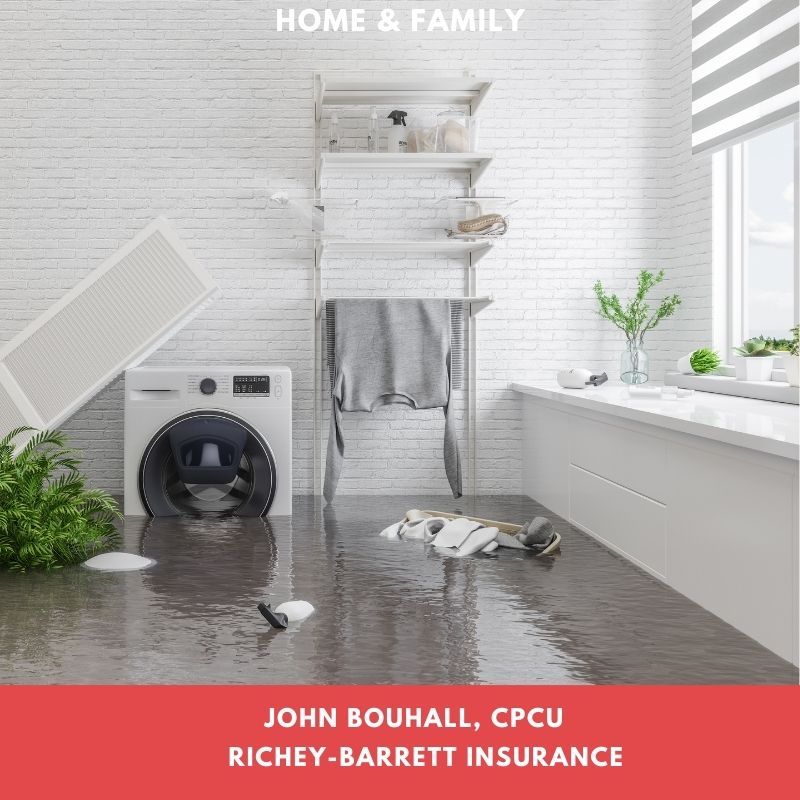 You have to have a plan. Game plan. Savings plan. Retirement plan. Plan B. Autopilot only works when a flight plan is engaged.
Even well-considered plans need adjustments. Suffice it to say, “stuff happens.” If you are a homeowner, house flipper, or residential rental investment property owner/manager, you probably know this from firsthand experience. Beyond insurance coverage, preemptive planning may ease or perhaps eliminate a potential property loss. Today’s blog draws attention to one of the most intrusive, expensive, and disruptive occurrences that can throw a property owner into disaster mode… interior water damage.
Two of the most common causes of water damage are pipes rupturing (a real concern for Clevelanders when the weather gets colder) and washing machine hoses bursting. While property insurance does cover damage due to sudden and accidental leaking of water, it can take several months to get back to normal following significant water damage.
Water leak detection devices are now mainstream (no pun intended!) and affordable. Advances in gadgetry and technology have resulted in an array of products designed to monitor for leaks or the presence of water where it should not be. I suggest you consider three key features when evaluating and comparing devices:
1) Does it contain an automatic shut-off valve? If your goal is to avert a major water disaster, you want the flow of water to stop immediately.
2) Does it allow you to receive remote alerts on your cell phone via text or email? Whether it is your residence, a house you intend to rehab and flip, or a residential rental investment property, you want to know quickly when you have a water problem.
3) Does it include a battery back-up? Parts of Northeast Ohio have experienced some lengthy power outages in recent years. A battery back-up adds peace of mind for at least a few more hours.
You may choose a leak detection product that operates at an individual appliance only, such as a washing machine or dishwasher, or one which controls a whole house. Depending on the device, a do-it-yourselfer may be able to install a product designed for one appliance. If you are considering a whole house system, you should contact a qualified professional.
Begin with preliminary research about the different types of devices available, what they are designed to do, how reliable they are, and what they cost. Contact qualified contractors as well as building supply stores and your local building department to learn more before you make a decision.
Call Your Trusted Choice Independent Insurance Agent at Richey-Barrett Insurance to serve your property insurance needs before, during, and after “stuff happens.”


