
Need, Greed, and Deed
Learn about church embezzlement and basic safeguards to prevent or detect it.
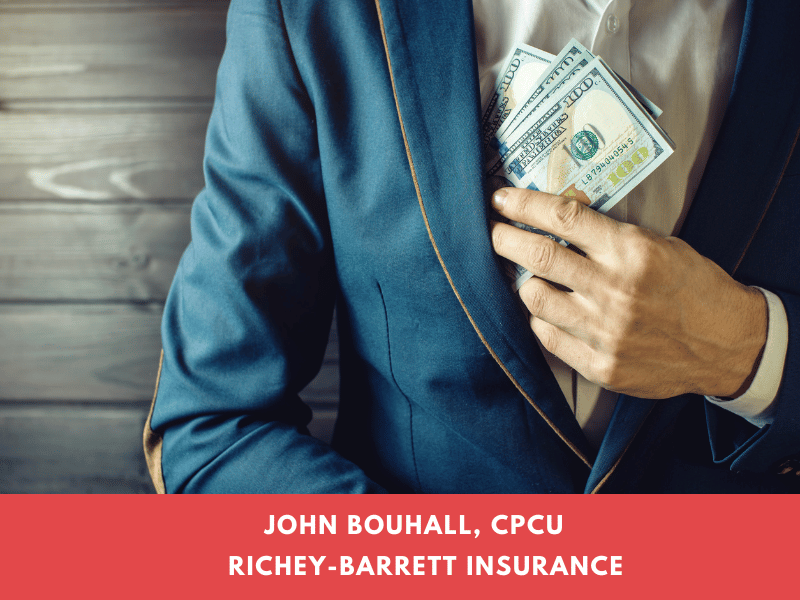
Read two examples of church embezzlement involving access to cash and credit card.
Embezzling is stealing. It happens everywhere, from within corporate cubicles, to behind the desks of public officials sworn into office, to right under church roofs. It is actually common in churches, particularly those with weak or no internal controls. Without a doubt, embezzlement is a risk exposure that requires serious attention from church leadership.
Simply stated, embezzlement is a breach of trust crime in which the offender has a legitimate reason to possess or control money, funds, or property, but does not have legal ownership of same. With respect to churches, the person(s) entrusted with money or property may be the treasurer, the pastor, the bookkeeper, or those responsible for collecting, counting, and depositing weekly offerings.
Need (perceived or actual) and greed are powerful drivers of human behavior. If internal financial controls are weak or non-existent in any church, the opportunity for some to act on the thought or desire is greater than if preventative deterrents are in place. Few cases of church embezzlement are once and done. Typically, it occurs over an extended period of time, and the embezzler rationalizes his/her illegal activity as deserved, owed, or even borrowed. Churches beware - - need and/or greed have advanced to deed for those with easy, continual, and unsupervised access to church finances.
Whether you may imagine it or not, it’s happened, from straightforward to brazenly bold.
|
EX. 1: |
Usher pocketed loose cash from offering plate on the stairway down after passing the plate in the balcony area. Undetected for several years, he stole a few thousand dollars.
|
|
EX. 2: |
Over a 5-year period, church bookkeeper embezzled more than $400,000. Her activity ramped up each year from the start date of her employment. It began with using church credit card to pay for personal expenses (clothing, medical, restaurant meals) within months of recognizing opportunity. After about a year, she started making payments to herself with church credit card using a digital point-of-sale payment system. The next year she opened a personal credit card in her name, ran up charges, and used money from church bank accounts to pay off thousands of dollars of personal credit card obligations. |
There are practical safeguards your church may enact to help prevent and detect embezzlement. Establishing and enforcing a written financial management policy that includes the handling of routine, operational transactions is a sound practice. Even in the absence of a written policy, at a bare minimum, anyone with access to or responsibility for church funds should be trained to adhere to the following measures:
Church cash.*
- Account for it when received and include it in weekly bank deposit.
- Rotate regularly those who collect and count weekly offerings.
- Limit access to where offerings are collected and stored.
*Churches may substantially reduce risk associated with cash by encouraging digital giving and electronic funds transfers, rather than cash contributions.
Church credit card.
- Limit who may use it, for what, and when.
- Keep in secure space when not in use.
- Require vendor receipts to substantiate charges before the monthly credit card payment is made.
- Review monthly statements to verify and match-up all charges.
Church checks.
- Maintain in secure place with limited access.
- Require two signatures for amounts in excess of a prescribed limit.
- Do not pre-sign checks.
- Do not allow checks be made out to “Cash”.
- Every month, review bank statement to verify payees and amounts.
Be alert to unfamiliar payees and/or questionable check amounts.
Financial Activity Reports.
- Send quarterly reports to donors. Not only do these reports track contributions vs. pledges, they are an additional and timely check on proper recording of donor giving.
- Require the church finance committee to present a monthly or quarterly report that highlights the church’s financial position. It may be as simple as one page showing the beginning balance, monthly receipts, monthly disbursements, and ending balance by fund.
Training and separation of duties are excellent front-line risk controls. Annual audits conducted by an independent CPA are highly recommended, as they often identify misconduct, or practices that may lead to misconduct.
If church leaders have sound reason to suspect embezzlement, promptly contact:
- legal counsel for guidance in how to proceed
- insurance agent or insurance company for timely notification
Richey-Barrett Insurance is a Trusted Choice Independent Insurance Agency serving churches in Ohio for more than two decades.


