Commercial Building Insurance What’s It All About?
Running a business comes with many responsibilities, and one of the most crucial is ensuring your physical assets are well-protected. According to the Federal Emergency Management Agency, 40% of small businesses never reopen after experiencing a significant disaster, highlighting the critical need for commercial building insurance. This coverage safeguards your property against various risks and provides financial security for your business.
What is Commercial Building Insurance?
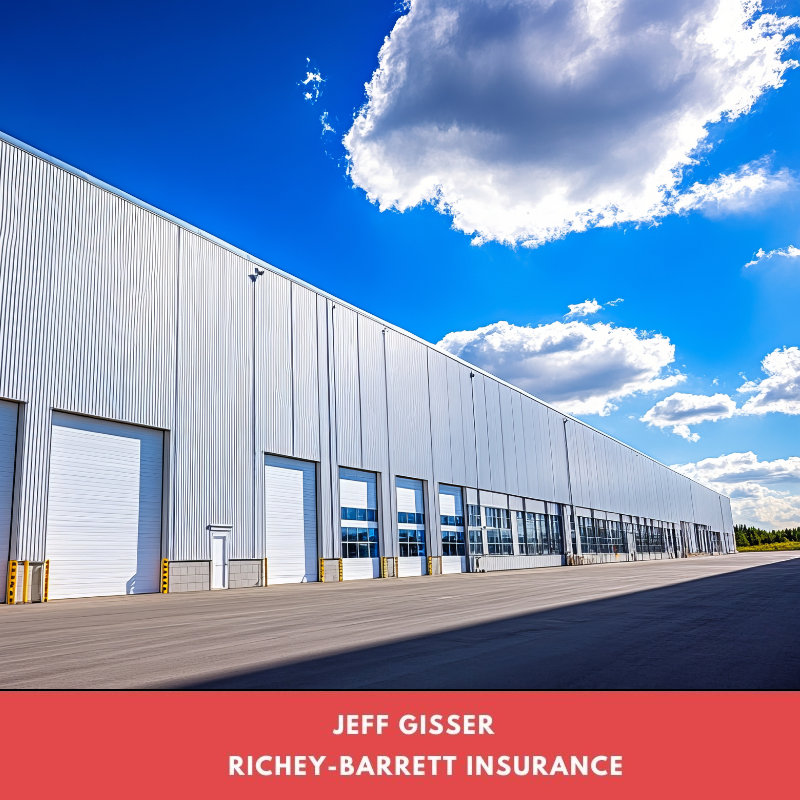
Commercial building insurance is critical protection against physical damage to your business property. It is a comprehensive term that includes a handful of coverages to protect businesses that own a commercial building(s) on their property. This insurance covers a broad range of perils, including fires, wind, hail, explosions, theft, and vandalism.
By transferring the risk of property damage to the insurance company, you free up capital to reinvest into growth opportunities for your business. This financial flexibility is essential for expanding operations, upgrading facilities, or pursuing new ventures.
If you hold a mortgage on your commercial property, your mortgage company will require you to maintain adequate insurance coverage to ensure the lender’s investment is protected in case of damage to the property.
Types of Coverage in Commercial Property Insurance
If you own your building, commercial building insurance is the best option to cover the building and its contents in addition to your property insurance. If your business rents a building, you may consider commercial property contents coverage.
Understanding the types of coverage offered by commercial building insurance is essential when protecting your commercial property. Insured property can include buildings and/or the business contents of those buildings, specifically described in the insurance policy. Here are the two main categories of property coverage:
| Building Coverage: Property coverage encompasses protection for the physical structure of your building and its integral components. | Contents Coverage: Contents coverage extends beyond the building to include the assets and inventory housed within. |
| This coverage may include: Buildings and Structures: Coverage for the main building and any additional structures on the property. Permanently Attached Equipment and Fixtures: Protection for equipment and fixtures permanently affixed to the building, such as HVAC systems, plumbing, and electrical wiring. Outbuildings and Signage: Coverage for any outbuildings, sheds, or detached structures, as well as signage associated with your business. |
This coverage may include: Business Equipment and Machinery: Protection for machinery, tools, and other equipment essential to your business operations. Office Furniture and Supplies: Coverage for furniture, computers, office supplies, and other items used in your business’s day-to-day operations. Inventory and Stock: Protection for the inventory or stock of goods stored on the premises, ensuring you can recover financially in case of damage or loss. |
Business Interruption insurance is another great option. This coverage covers lost income and operating expenses if a covered peril affecting your property temporarily shuts down your business. On the other hand, Equipment Breakdown insurance can cover repairing or replacing essential machinery that breaks down unexpectedly.
While property protection is paramount in commercial building insurance, other types of coverage are designed to protect your business from exposure, regardless of whether you own the physical building. For example, General Liability insurance protects against claims of bodily injury or property damage on your business premises.
Lastly, Umbrella Insurance offers additional liability coverage above and beyond the limits of your primary General Liability and Automobile Liability insurance policies. An Umbrella policy is an excellent insurance option to extend your coverage limits to protect against larger losses.
Common Covered Losses in Commercial Building Insurance
Commercial building insurance covers a wide range of potential losses that can affect the physical building you own. Coverage for the losses below is crucial to ensure that your business can recover quickly and continue operating in the event of unforeseen circumstances.
- Fire Damage: Protection against damage caused by fires, including structural damage and destruction of property.
- Weather-related Damage: Coverage for damage caused by severe weather events such as wind storms, hurricanes, tornadoes, and hail.
- Water Damage: Protection for damage caused by burst pipes, plumbing leaks, or wind-driven rain.
- Theft and Vandalism: Coverage for losses resulting from theft, burglary, or vandalism to the building or its contents.
- Accidental Damage: Protection against accidental damage to the building or property caused by human error or negligence.
- Explosion Damage: Coverage for damage from explosions, whether due to natural gas leaks or other causes.
Common Exclusions in Commercial Building Insurance
While commercial building insurance provides comprehensive coverage for many risks, specific exclusions may apply. Below are some common exclusions that your business may need extra coverage against:
- Wear and Tear: Most insurance policies do not cover damage from normal wear and tear over time.
- Maintenance Issues: Damage caused by lack of maintenance or neglect typically isn’t covered by insurance. Ensure you regularly inspect and maintain your building to provide documentation for your records.
- Earth Movement: Damage caused by earthquakes, sinkholes, or landslides are often excluded from standard policies and may require additional coverage.
- Flood Damage: Flood damage is typically not covered by commercial building insurance and requires a separate flood insurance policy.
Five Factors to Consider When Choosing Commercial Building Insurance
Choosing the right commercial building insurance for the building you own involves thoroughly assessing your business’s unique needs and potential risks. The same steps are also applicable for those looking to insure a rented building with commercial property coverage. Five key factors to consider are;
- Asset Assessment: Work with an experienced insurance agent to evaluate all your owned assets, including your building. This assessment will identify your property values and any associated risks.
- Review of Hazards: Conduct a thorough review of the hazards both within and outside the building, including potential risks such as fire, theft, vandalism, or natural disasters. You and your agent can select the necessary coverages by identifying these hazards.
The Trusted Choice agents at Richey-Barrett will do a walkthrough of your building and evaluate your hazards, inside and out. We will look inside for things like fire hazards and hazardous processes, and outside for things like uncontrolled natural growth or a hazardous adjacent business.
- Specialized Coverage Needs: Discuss exposures to your building that may require a separate coverage endorsement. For example, flood insurance is typically not included in standard commercial building insurance policies. If you live on the coast or in locations prone to flooding, you must purchase flood coverage separately.
- Replacement Cost Calculations: Calculate the cost to rebuild your building to ensure your insurance limit is adequate for a total loss. This value should represent the current cost of rebuilding the property entirely from scratch. It’s best to avoid underinsurance issues in the case of a catastrophe.
- Financial and Risk Tolerance Assessment: Assess your financial situation and risk tolerance when considering your insurance deductible. While higher deductibles will lower your insurance premium, they also increase your out-of-pocket costs in the event of a claim. Balance your deductible price with your ability to absorb potential losses, along with the value proposition of the higher deductibles.
The Trusted Choice Insurance Agents at Richey-Barrett are here to help you insure all of your commercial buildings.


