Moving on Up!
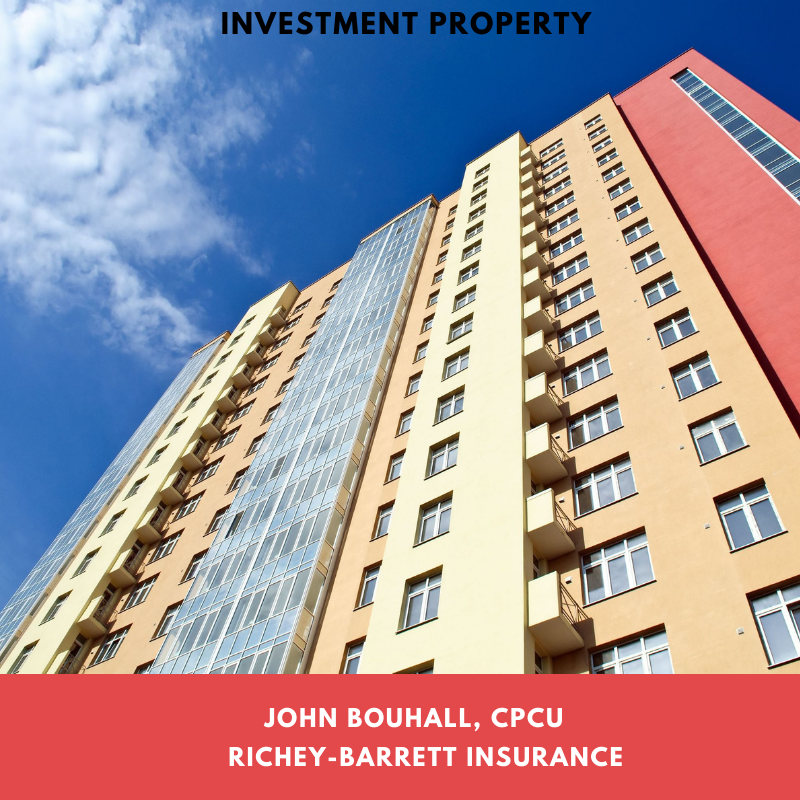
Recently, I wrote about a prospect in Rocky River who was purchasing her first apartment building. The prospect owns several single-family rental units and the discussion revolved around properly insuring the garage. It was confirmed that the garages must be listed on the declarations page when insuring apartment buildings on a commercial form.
This difference created some conversation within the agency and I felt it was important to share some additional differences when you are moving on up to a Commercial Policy from Personal Lines Dwelling Fire (DF) Policy.
Business Income, also known as loss of Rental income in the Commercial Form and Fair Rental Value in the DF, poses another major difference as to how the policies handle this important coverage. In the DF, the default amount for Fair Rental Value is 10% of the building’s value Coverage A. Coverage A is calculated using the home’s size and characteristics while rents tend to be predicated by location. The same dwelling in the desired location will generate higher rents than one in a less desirable area of Greater Cleveland. However, the home’s rebuild cost (Coverage A) will be the same throughout Greater Cleveland.
There are several options when using the Commercial Package Policy. Many companies will provide up to 12 months actual loss sustained for a direct physical loss, 100% of the net loss for 12 months. Insuring the loss of rents in this manner puts no dollar limit on the loss, but rather a time limit. If the insured feels the time frame would be longer than one year to repair the property, the insured may opt to use a co-insurance plan with 125% selected. While having to select a dollar amount needed to cover the loss of rents, the time frame is extended to 15 months. When looking at older buildings in Cleveland or Lakewood, this option may be advantageous. There are other options to insure business income losses that are well suited for property owners that may be discussed in future blogs.
Most rentals come with a refrigerator, range and some may come with a washer and dryer. If these items are provided by the landlord, how are they insured?
In the commercial property form (CP0010) Building included under Coverage A 1a (4), Personal Property owned by you that is used to maintain or service the building or structure or its premises including appliances used for refrigerating, ventilating, cooking, dishwashing, or laundering are included in the definition of a building. There is no reason to add Personal Property to insure the appliances the landlord provides. In calculating insurance rates, Buildings are typically less expensive to insure than Personal Property (in valuing your building these items must be considered).
In the DF policy, coverage for Personal Property is provided in Coverage C. As a policyholder, you can decline this coverage or pick a percentage of the building limit to insure these items for. This gives you very little flexibility as these items are carved out from the total loss and you could easily be underinsured.
To discuss or review any of your insurance needs, contact your Trusted Choice Independent Insurance Agent at Richey-Barrett Insurance


