
A Closer Look at the Costs of Tariffs to American Farmers
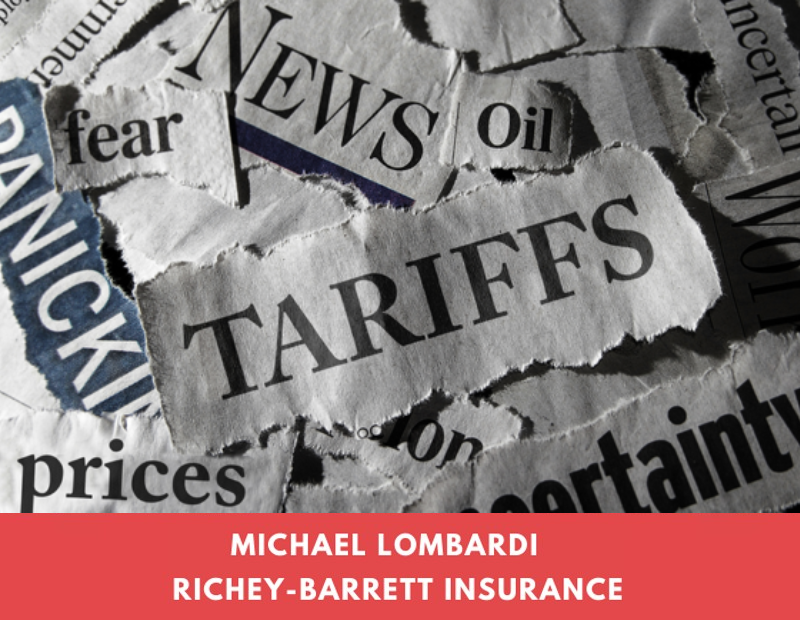
Recently, tariffs have increasingly become a tool in U.S. trade policy, aimed at protecting domestic industries and negotiating international trade deals. Often regarded as a means to bolster American economic strength, the impact of tariffs on certain sectors – particularly agriculture – can prove to be disruptive. American farmers know that tariffs mean lost marketing opportunities, decreased commodity prices, and further economic uncertainty. Let’s take a closer look at tariffs and how they affect you.
What are tariffs?
When you see the term ‘tariff,’ just read the other dreaded T word – Tax. Tariffs are simply taxes on imported goods. When tariffs are imposed on foreign products, oftentimes those countries retaliate with their own taxes on American exports, which is what we’ve seen over the past month with China, only to have things seemingly de-escalate over the past few days. However, tariffs can quickly and easily turn into essentially an embargo against trading partners, triggering a trade war that has real consequences for people who rely on global trade – such as farmers.
How will tariffs affect agriculture?
China is among the largest consumers of American agriculture products. When the U.S. and China become embroiled in a trade war, the latter drastically decreases its purchases of agricultural products from America. This forces the American agricultural industry as a whole to find new markets, which oftentimes are less profitable.
Supply and demand
Reduced demand abroad creates an overabundance of supply here in the States. As with anything else, increased supply without the demand causes prices to drop. Depressed prices mean farmers can’t cover their cost of production, which leads to financial stress and, sometimes, bankruptcy. Notice the reaction in the grain markets due to the interim agreement between America and China in the past couple days, as access was once again granted.
Uncertainty and Planning
Already a risky business, farming is heavily dependent on agreeable weather, demand on a global scale, and the cost of production. When additional volatility surrounding trade is tossed in, it’s nearly impossible to make informed decisions on how to operate the farm or secure financing. Investments in additional land and new equipment go by the wayside as a means of managing risk, but may create loss of additional opportunity.
Government Aid
Tariffs create losses for farmers. In response, the U.S. government has issued billions of dollars of aid to farmers in the past, and has discussed doing so again in early 2025, though no concrete plans have come forth. While government aid is a short-term band-aid in certain situations, it does not equate to a sustainable solution. Additionally, no amount of government aid issued to farmers can compensate for lost and damaged market relationships.
What does the future hold?
I’m as good as predicting the future as anyone else – which is to say my predictive skills are nonexistent. With that in mind, domestic and global trade policy will always play a role in the fortunes of American agriculture. Access to international markets is vital to farmers. Policies that disrupt that access can end up hurting those they’re meant to help.
While we can’t know how the future will pan out, we can manage the uncertainty as best we’re able with a well-thought-out plan. Richey-Barrett Insurance can help implement a risk management plan to ensure you have everything you need when things go wrong.


