The Needle is Spiking Upward
Learn why the needle is spiking upward in out-of-pocket insurance expenses.
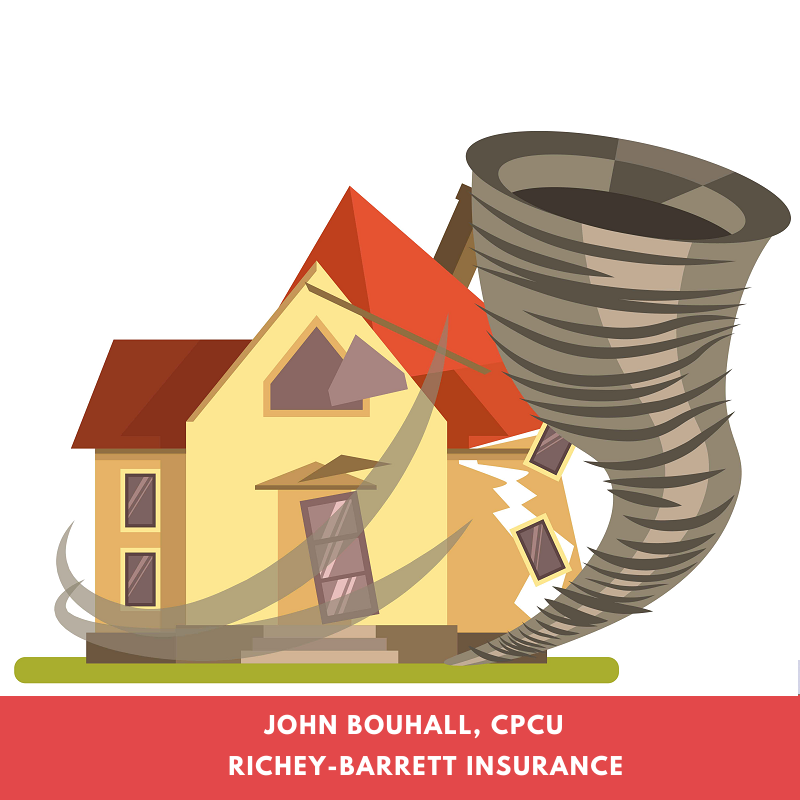
Read about changes in property insurance coverage that raise out-of-pocket expenses.
By John Bouhall, CPCU
It takes more than one wildfire, hurricane, or severe weather event to move the needle, and the needle is spiking upward. Property damage resulting from these perils is so pervasive and so frequent that all insureds in all locations, including Ohio, are experiencing notable changes in their property insurance coverage. While the focus of this blog is owners and managers of investment property(ies), all insureds should take note of what is taking place in the property insurance market.
An across-the-board reset is in process with respect to property insurance in Ohio. Two significant changes are taking effect, both of which are consequential in the event your investment property(ies) experience property damage due to wind or hail.
1. A two-tiered deductible is now in force. Importantly, a separate and higher deductible applies to wind/hail claims. The standard deductible continues to apply to all other covered perils.
The wind/hail deductible may be either a flat dollar amount or a percentage of the stated property value. If it is a flat dollar amount, it is frequently double the dollar amount of the standard deductible. In actual dollars that means the wind/hail deductible might be $2,000. This applies per loss, per location. A scenario in which three investment properties suffer damage from one hailstorm means the insured would pay out-of-pocket a $6,000. deductible, i.e. $2,000. X 3 = $6,000.
If the wind/hail deductible is a percentage of the stated property value, the percentage amount is frequently between .05% and 2% of stated property value. The stated property value, either actual cash value (ACV) basis or replacement cost basis, is very consequential to the insured’s out-of-pocket expenses. Regardless of which deductible option applies (flat dollar amount or percentage of stated property value), a wind/hail loss would noticeably increase the insured’s out-of-pocket expense.
2. Previously, insureds had a choice between ACV and replacement cost value. Now, insurance companies are only insuring older roofing or siding that is 15 to 20 years old on ACV basis. A claim payout by an insurance company for a wind/hail loss could easily be thousands of dollars less on ACV basis than on replacement cost basis. It is the insured who will have to absorb significantly larger out-of-pocket expenses.
The needle is spiking upward, because of repeating frequency and severity in severe weather events everywhere. For individual investment property insureds that means the more wind/hail damage that your investment property(ies) experience during a policy period, the more times deductible payments will apply. It bears repeating that one single hailstorm that damages several of your investment properties means the wind/hail deductible applies to each investment property. One year of severe wind/hail weather in Ohio could place some insureds in financial difficulty. Investment property owners should beef up “rainy day” reserves and prioritize proactive property maintenance. For example, annual roof inspections and suggested repairs by a professional may extend the life of a roof. Be sure to keep a written record of professional inspections and/or repairs.
Whether you own or manage one, two, or multiple investment properties, Richey-Barrett Insurance is your Trusted Choice Independent Insurance Agency for insurance.


