Stars Align, Or Never Mind?
Read about a few pros and cons of solar panel installation for non-profit entities.
Discover some funding sources churches may be able to access to pay for solar panels.
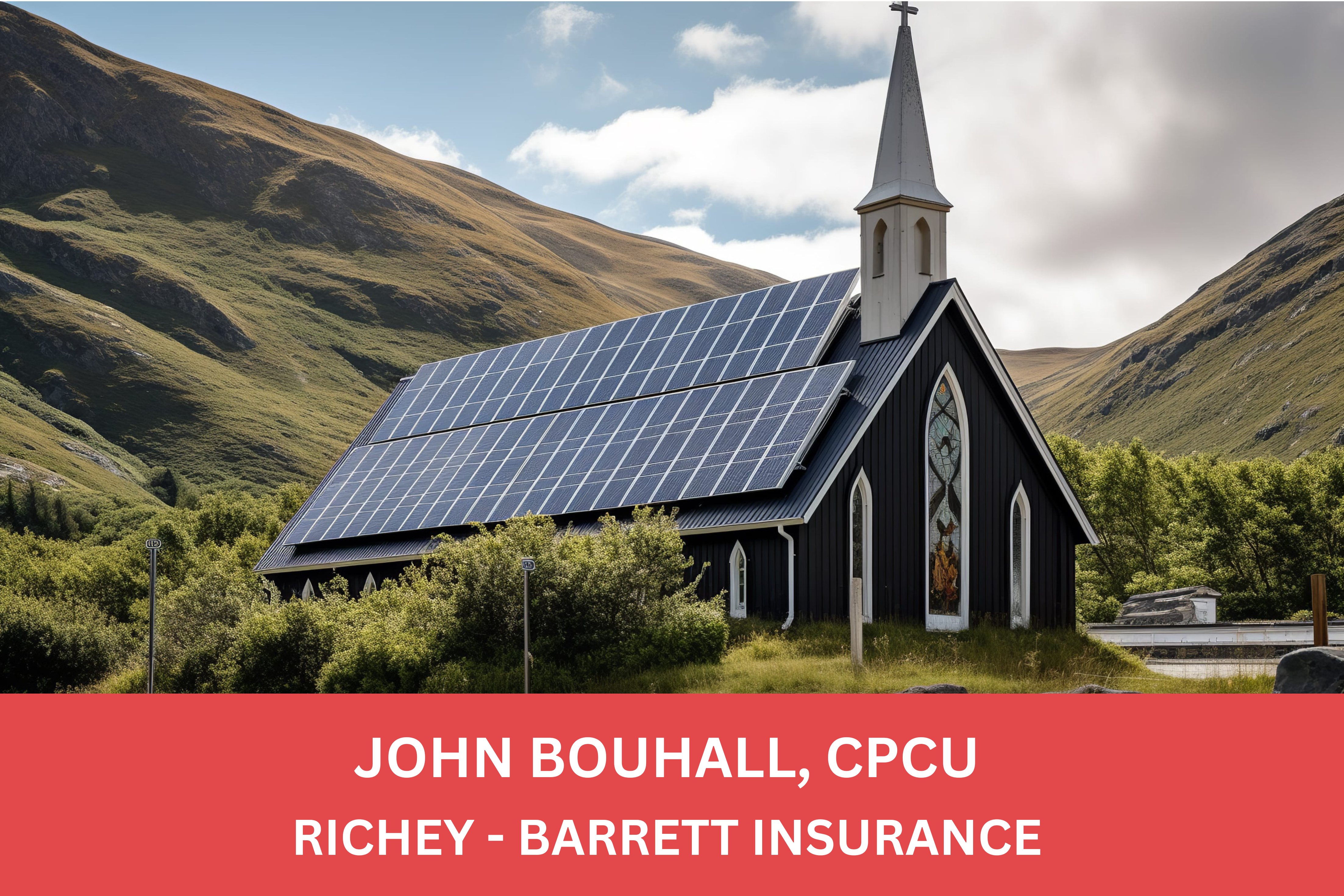
Dedicated to carrying on your mission for the long-term? Rising monthly electric and gas bills? Strained operating budget? Sometimes the “stars align”, and a large church capital investment ticks off the boxes of mission-oriented, practical, and affordable. I’m referring to a narrow and closing window of opportunity available to churches and non-profit organizations to install solar panels on their property.
While small numbers of churches and other non-profit entities began putting in solar panels in the late 1990s, the implementation of the U.S. Inflation Reduction Act of 2022 resulted in many more installations. This Act allowed tax-exempt entities to apply for a 30% cash refund from the IRS for qualifying clean energy property placed in service on or after January 1, 2023. NOTE: While the Act applied to qualifying projects placed in service before December 31, 2032, that window has been significantly shortened by the signing of the One Big Beautiful Bill Act by President Trump on July 4, 2025*.
While many churches are struggling with tight budgets, at the same time, some also have substantial endowment funds. Depending on restrictions applicable to the use of endowment funds, they may be a significant source to pay for solar panel installation on church property. Before any decision is made about investing in solar panels, the organization’s by-laws should be studied, and members should be engaged. If there is pushback on alignment with your entity’s mission or how the project would be funded, this may not be right for your group.
The big pluses associated with solar panel installation are:
-
-
- For many churches, they complement a general mission of caring for God’s creation. Some members may make direct donations to defray costs of solar panel installation.
-
-
-
- Long-term savings in energy costs are proven. Also, if your organization meets new requirements for a 30% cash refund from the IRS, it may realize large savings following project completion, registration, and approval.
-
-
-
- Rain or shine, solar panels generate electricity. Capacity is reduced when skies are cloudy or rain is present, but not eliminated altogether.
-
-
-
- The entity may potentially receive additional income from selling energy credits or providing excess power to a utility company.
-
Some of the downsides of solar panels are:
-
-
- Improper installation results in damage to or a compromised roof, susceptible to leakage and wind damage. Insurance does not cover damage resulting from poor workmanship, construction defects, or errors in installation.
-
-
-
- High, upfront investment. Recovery of costs through energy savings takes 10+ years.
-
-
-
- Insurance companies typically view solar panels permanently installed on the roof as part of the structure. This means their value must be considered in determining total replacement cost of the building, otherwise your organization may be subject to a co-insurance penalty following a covered loss. Co-insurance penalties are sizeable.
-
-
-
- Solar panels installed on the ground present security and safety hazards. They are also more likely to collect debris and be damaged by heavy snow accumulation or flood or standing water.
-
-
-
- Even though an entity is non-profit, if it receives income through selling energy credits or providing excess power to a utility company, a professional tax advisor should be consulted regarding taxes owed on the income.
-
-
-
- Whether the entity owns or leases the solar panels, it is liable for claims arising out of the operation and use of the panels and needs liability insurance. For leased solar panels, the lessor should be named on the entity’s insurance policy as additional insured.
-
-
-
- Solar power leases and/or Power Purchase Agreements may have a negative impact upon the sale or lease of the non-profit organization’s real estate.
-
*The new placed-in service deadline for tax-exempt entities for qualifying clean energy projects has been shortened to 12/31/2027 for projects starting after July 4, 2026. Projects placed in service prior to July 4, 2026, may maintain eligibility, if placed in service by 12/31/2030. CAUTION: If your church or non-profit organization is considering or currently engaged in the installation of solar panels, contact a professional tax accountant and attorney for guidance regarding limitations in the new law respects qualifying for the 30% cash refund from the IRS.
Richey-Barrett Insurance is a Trusted Choice Independent Insurance Agency for churches and non-profit entities throughout Ohio. Contact us to discuss insurance for your organization.


