
Is Your Farm Covered for Spring’s Unpredictable Weather?
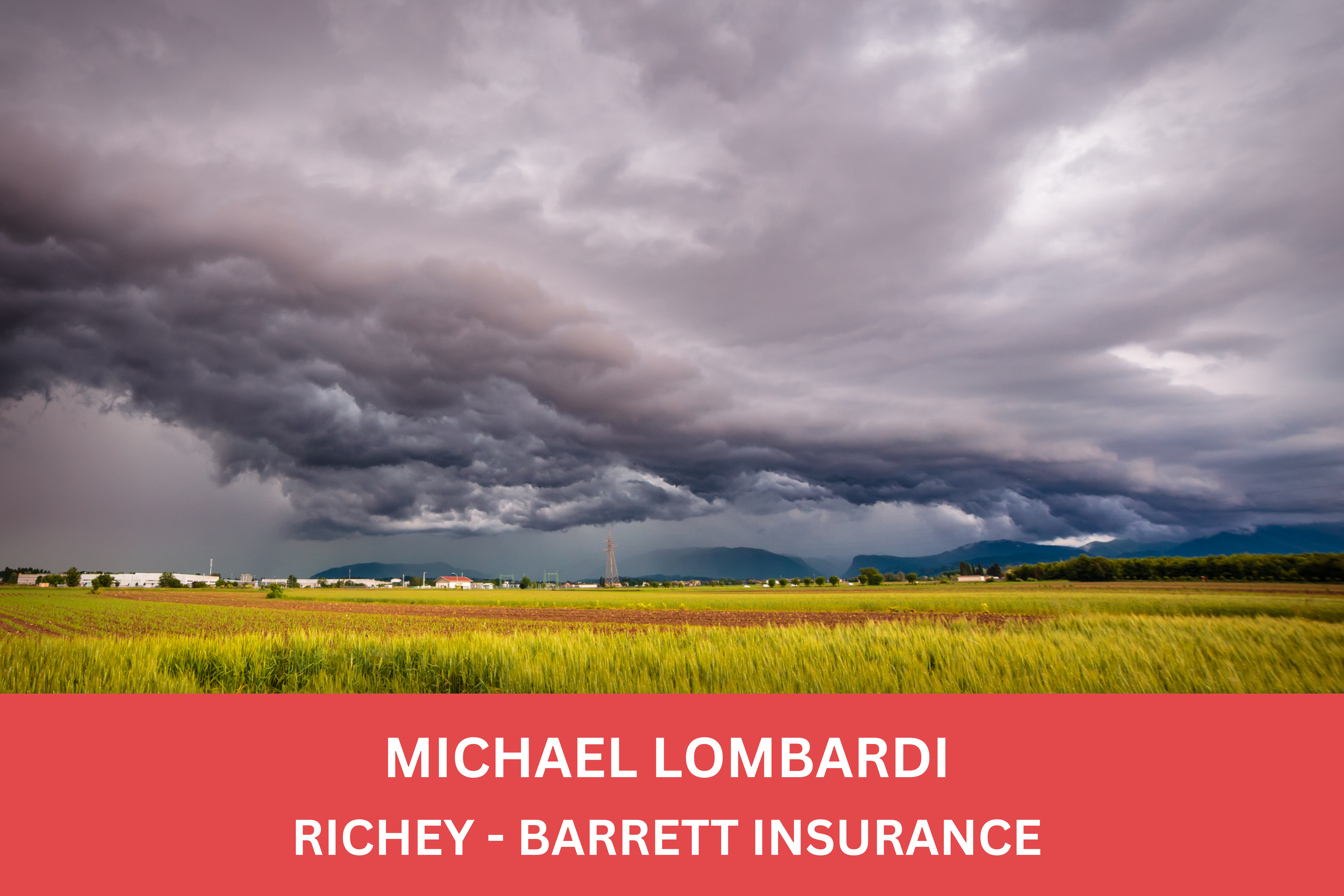
As an Ohio farmer who’s been in the game a long time, you already know spring has a tendency to get a little messy.
What’s changed in recent years, though, is how extreme it’s been getting.
One week it’s dry and you hope to get in the field early. Next week you’re dealing with standing water, delayed planting, and equipment sitting idle while the clock keeps ticking down. Then you get hit with wind or hail right when things finally start to turn.
I see it all too often with the farmers I talk with every day. The weather isn’t just inconvenient anymore; it’s a real financial risk.
What’s worse, most farmers don’t realize how deeply they’re actually exposed until something goes wrong.
Here’s where it usually shows up.
Heavy rain (not unlike the unrelenting storms we’ve seen the past couple weeks) sounds like it’s just a crop issue, but it spills into everything. Fields flood, equipment gets damaged or stuck, stored grain gets compromised. And depending on how your policy is written, a lot of that doesn’t fall under one clean bucket.
Wind and hail are obvious risks, but I still see barns, outbuildings, and equipment insured at values that haven’t been updated in years. That’s potentially not an issue until you have a claim and realize you can’t rebuild in the manner you thought.
Let’s not forget about the hidden exposure during planting season either. Liability.
More road time. More equipment moving. More people around. One bad situation can turn into a serious problem fast if your liability limits aren’t adequate for your real-life needs.
I’m not saying this to be dramatic. I say this because I see the same pattern every spring.
You’re focused on getting the crop in, which makes sense. Insurance gets pushed off because it feels like something you’ll deal with when you have more time at your disposal.
The problem is later usually means after something happens.
This time of year is when the gaps show up.
If you haven’t looked at your coverage since last season, there’s a good chance something has changed. New equipment, different acreage amounts, higher input costs, etc. All of these things matter when claim time comes.
What I typically do with farmers this time of year is simple.
We take 10-15 minutes and go through the policy with a fresh set of eyes. No pressure, no big presentation. Just making sure what you think is covered actually is, and getting your questions answered.
If everything looks good, you move on with your season confidently.
If something isn’t covered when it should be, at least you catch it now instead of in the middle of a claim.
If you’re interested in a quick second look before things get too far along, do as The Four Tops suggested back in 1967, “darling, reach out.”
Better to find out now than when the weather reminds you who runs things.


