How to Get the Most Out of Your Farm Insurance Agent
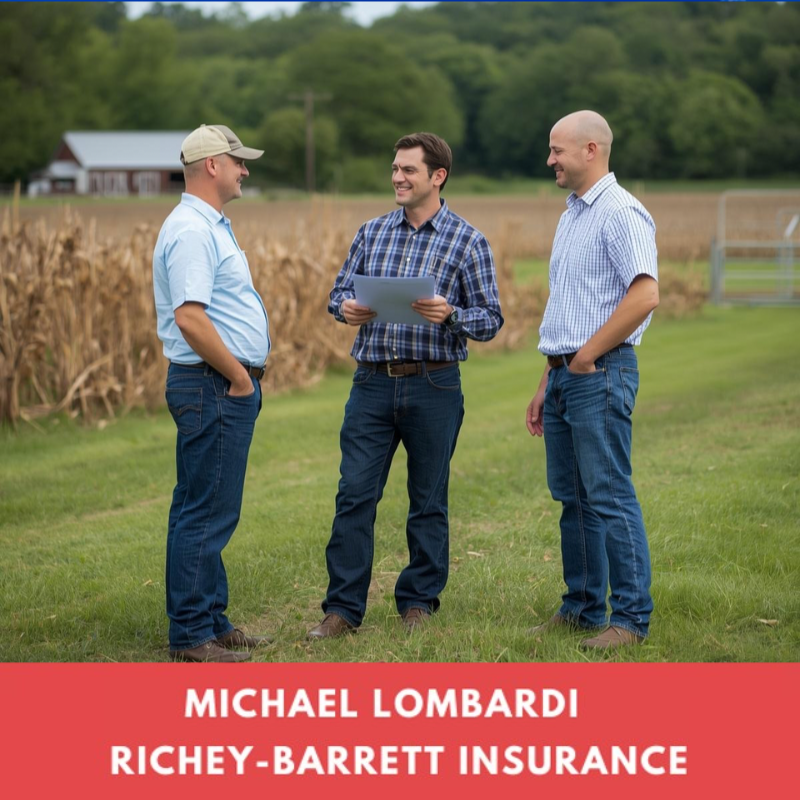
Most people think of their insurance agent as someone they call once per year – or perhaps worse than that, only if there’s a problem. When used correctly, your insurance agent can be a valuable partner in protecting your farm, and long-term financial stability.
How you work with your agent determines whether you’re getting value from them or no.
Here are 5 ways to get value out of your farm insurance agent – and avoid costly surprises along the way.
1. Treat Your Agent as an Advisor, Not a Vendor
Insurance isn’t a product – it’s a part of your overall agribusiness strategy. Don’t ask a qualified farm insurance agent for “apples-to-apples,” quotes; that’s a waste of time. A good agent is there to help you identify and understand your overall risk, address any coverage gaps, and help you make informed decisions – not only now, but also in the future.
The lowest-priced policy is usually the antithesis of value.
You extract value only when your agent fully understands the following:
How you operate
Where your biggest risks are
What would devastate you if something went wrong
If you want value, you need to collaborate, and don’t balk when value comes with a cost.
2. Schedule Annual (or Semi-Annual) Reviews
Small farm, large farm, it doesn’t matter. Your agent should dedicate time to you, at a minimum, annually, to discuss your operation and needs.
Meaningful reviews should cover the following:
Coverage limits and deductibles
New or changed risk exposures since last year
Claims trends and lessons learned
Cost-saving opportunities
Policy exclusions you may not realize exist (this is big)
3. Ask “What’s Not Covered?”
If you’re like many, you assume something is covered – until it isn’t.
The best question to ask at your annual insurance review is, “What losses do farmers typically think are covered, but aren’t?”
This one question should spark a conversation that uncovers gaps related to the following:
Flood or water damage
Equipment breakdown and power failure
Employee-related claims (no, Workers’ Comp doesn’t cover everything)
Pollution or chemical drift exposures
Business interruption after weather events
Livestock mortality limitations
When you understand exclusions ahead of time, you have options. When you discover them after a loss, it’s too late.
4. Be Honest About Risk
Agents don’t decide whether to offer you an insurance policy or not; nor do they set prices.
Often, I see farmers downplay risk or hide information to get offered a policy at a better rate. This usually backfires in one of two ways:
1. Denied claims
2. Canceled policies
Your agent is your advocate. Without accurate information, how successful will they be advocating for you?
Transparency allows them to structure coverage correctly so you’re covered if something happens.
5. Use Your Agent as a Risk Management Resource
This requires you to re-read #1 and embody it. Your agent should be able to help you prevent losses, not just insure them.
What does this entail?
Making safety recommendations
Loss control resources
Offering industry-specific insights
When you’ve had fewer claims in the past, and take precautions to minimize future claims, you get better pricing, stronger relationships, and more coverage options over time.
Relationships Matter
If you don’t believe your insurance agent works well for you, they may be reactive, rather than proactive.
Does your agent know your goals? Does your agent understand your risks? Do they communicate clearly so you understand?
Working with the correct agent, you’ll get more than a policy – you’ll get the peace of mind we all like to talk about and fewer surprises when it matters most.
If you don’t get that level of service, it may be time for a conversation or a second opinion. Your Trusted Choice agents at Richey-Barrett are ready to help you get the most value from your agent.


